Medical countermeasures — including vaccines, therapeutics and diagnostics — are essential tools that help scientists and public health officials prepare for and respond to emerging infectious disease threats.
Understanding medical countermeasures and their role in global health security
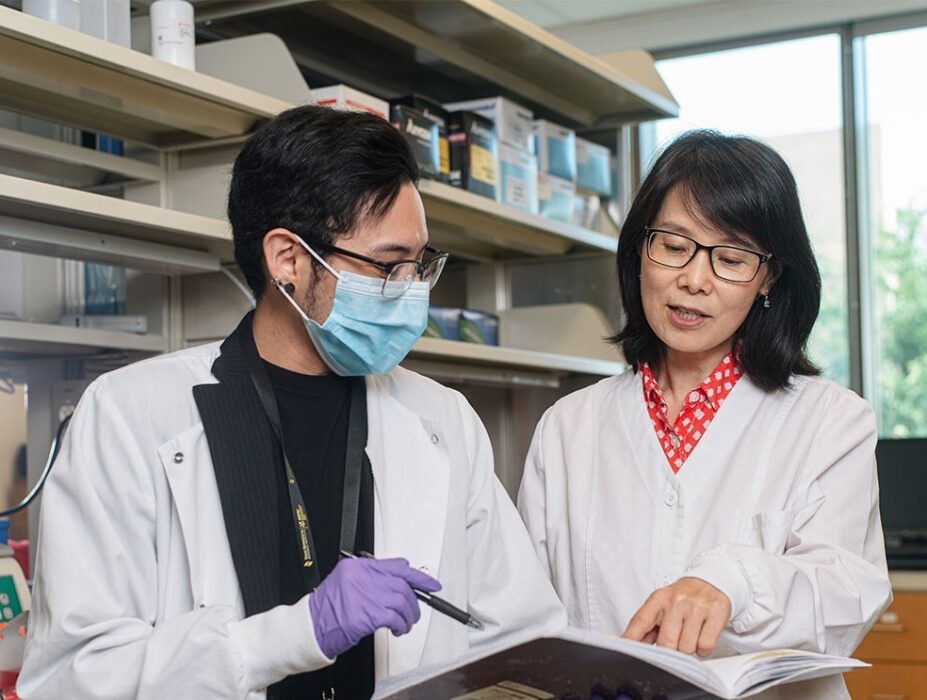
When a new infectious disease emerges, the world needs more than a response plan — it needs tools that can prevent, diagnose and treat infections. These tools are known as medical countermeasures, and they play a critical role in protecting communities from outbreaks, pandemics and biological threats.
Medical countermeasures include vaccines, therapeutics, diagnostics and other technologies designed to help prevent or reduce the impact of diseases. Scientists at research institutions around the world work to develop and evaluate these tools before they are needed, helping strengthen preparedness for current and future health challenges.
At Texas Biomedical Research Institute, researchers study emerging infectious diseases and evaluate potential vaccines, treatments and other interventions that can help protect human health.
What are medical countermeasures?
Medical countermeasures (MCMs) are products or technologies used to prevent, diagnose or treat diseases that could threaten public health.
Examples of medical countermeasures include:
- Vaccines that train the immune system to recognize and fight infectious diseases
- Therapeutics such as antiviral drugs or antibody treatments that help treat infections
- Diagnostics that allow healthcare providers to quickly identify diseases
- Other protective technologies that support public health preparedness
These tools are especially important for diseases that have the potential to spread quickly or cause severe illness, including emerging viral infections and biological threats.
Why are medical countermeasures important?
Emerging diseases can appear unexpectedly and spread rapidly across communities and around the world. Developing medical countermeasures before an outbreak occurs gives scientists, healthcare providers and public health officials more options to respond quickly.
The COVID-19 pandemic demonstrated the importance of having vaccines, diagnostics and treatments available during a global health emergency. Similar preparedness efforts are underway for other infectious diseases, including viral hemorrhagic fevers and other high-consequence pathogens.
Research institutions play a key role by studying how diseases spread, identifying potential targets for treatments and testing whether new vaccines or therapies are effective.
How are medical countermeasures developed?
Developing a medical countermeasure requires years of scientific research, collaboration and careful evaluation. The work is done in high containment laboratory facilities, such as the biosafety level 4 (BSL-4) lab that has been in operation at Texas Biomed since 1999.
The process typically includes several stages:
1. Understanding the disease
Scientists first study the pathogen responsible for a disease, including how it spreads, how it interacts with the body and which parts of the pathogen could be targeted by vaccines or treatments.
2. Identifying potential solutions
Researchers develop and evaluate possible approaches, such as vaccine candidates, antiviral compounds or antibody-based therapies.
3. Preclinical research and testing
Before potential vaccines or treatments can be studied in humans, researchers conduct preclinical studies to better understand safety, immune responses and effectiveness.
Preclinical research helps answer important questions:
- Does the candidate generate an immune response?
- Does it reduce infection or disease?
- Is it safe enough to move forward?
4. Clinical evaluation and approval
Promising candidates move through carefully regulated clinical studies to evaluate safety and effectiveness in people before they can be approved for use.
Why is preclinical research important?
Preclinical research is a critical step in the development of medical countermeasures because it allows scientists to gather important information before human studies begin.
Researchers use advanced laboratory methods and carefully regulated research models to understand how diseases affect the body and how potential treatments or vaccines may work.
At Texas Biomed, scientists use decades of expertise in infectious disease research to help evaluate potential vaccines and therapeutics against some of the world’s most challenging pathogens.
How do scientists prepare for future outbreaks?
Preparing for future outbreaks requires research before a crisis begins. Scientists study pathogens, develop new technologies and test potential solutions so that medical countermeasures can be advanced more quickly when they are needed.
This approach is sometimes called preparedness research — work that helps ensure the scientific community is ready to respond when new health threats emerge.
Partnerships between academic institutions, government agencies and biotechnology companies are also essential. Collaboration helps move promising discoveries from the laboratory toward real-world solutions.
Texas Biomed’s role in advancing medical countermeasures
Texas Biomedical Research Institute conducts research focused on improving human health and strengthening global health security.
Texas Biomed scientists have contributed to research on emerging infectious diseases, including work supporting the development and evaluation of vaccines and therapeutics, particularly in the case of research that has contributed to the development and evaluation of Ebola treatments. Through collaborations with government agencies, biotechnology companies and research partners, Texas Biomed helps advance scientific discoveries that may lead to new tools for preventing and treating infectious diseases.
Frequently asked questions about medical countermeasures
What is a medical countermeasure?
A medical countermeasure is a vaccine, treatment, diagnostic or other technology designed to prevent, identify or treat diseases that pose a public health threat.
What are examples of medical countermeasures?
Examples include vaccines, antiviral medications, antibody therapies and diagnostic tests used to detect infectious diseases.
Why are medical countermeasures important for pandemics?
Medical countermeasures help communities respond to outbreaks by providing tools to prevent infections, diagnose illnesses and treat patients.
How long does it take to develop a medical countermeasure?
Development timelines vary depending on the disease, technology and research findings. Scientists must complete extensive laboratory studies, clinical evaluations and regulatory reviews to ensure products are safe and effective.
Why do scientists study diseases before outbreaks happen?
Studying diseases before they become widespread helps researchers understand potential threats and develop tools that can be used during future health emergencies.
Key takeaway
Medical countermeasures are essential tools for protecting public health. Through research, collaboration and innovation, scientists are working to ensure the world is better prepared for emerging diseases and future health challenges.
What Are Medical Countermeasures? How Scientists Develop Tools to Protect Against Emerging Health Threats
Understanding medical countermeasures and their role in global health security
When a new infectious disease emerges, the world needs more than a response plan — it needs tools that can prevent, diagnose and treat infections. These tools are known as medical countermeasures, and they play a critical role in protecting communities from outbreaks, pandemics and biological threats.
Medical countermeasures include vaccines, therapeutics, diagnostics and other technologies designed to help prevent or reduce the impact of diseases. Scientists at research institutions around the world work to develop and evaluate these tools before they are needed, helping strengthen preparedness for current and future health challenges.
At Texas Biomedical Research Institute, researchers study emerging infectious diseases and evaluate potential vaccines, treatments and other interventions that can help protect human health.
What are medical countermeasures?
Medical countermeasures (MCMs) are products or technologies used to prevent, diagnose or treat diseases that could threaten public health.
Examples of medical countermeasures include:
- Vaccines that train the immune system to recognize and fight infectious diseases
- Therapeutics such as antiviral drugs or antibody treatments that help treat infections
- Diagnostics that allow healthcare providers to quickly identify diseases
- Other protective technologies that support public health preparedness
These tools are especially important for diseases that have the potential to spread quickly or cause severe illness, including emerging viral infections and biological threats.
Why are medical countermeasures important?
Emerging diseases can appear unexpectedly and spread rapidly across communities and around the world. Developing medical countermeasures before an outbreak occurs gives scientists, healthcare providers and public health officials more options to respond quickly.
The COVID-19 pandemic demonstrated the importance of having vaccines, diagnostics and treatments available during a global health emergency. Similar preparedness efforts are underway for other infectious diseases, including viral hemorrhagic fevers and other high-consequence pathogens.
Research institutions play a key role by studying how diseases spread, identifying potential targets for treatments and testing whether new vaccines or therapies are effective.
How are medical countermeasures developed?
Developing a medical countermeasure requires years of scientific research, collaboration and careful evaluation.
The process typically includes several stages:
1. Understanding the disease
Scientists first study the pathogen responsible for a disease, including how it spreads, how it interacts with the body and which parts of the pathogen could be targeted by vaccines or treatments.
2. Identifying potential solutions
Researchers develop and evaluate possible approaches, such as vaccine candidates, antiviral compounds or antibody-based therapies.
3. Preclinical research and testing
Before potential vaccines or treatments can be studied in humans, researchers conduct preclinical studies to better understand safety, immune responses and effectiveness.
Preclinical research helps answer important questions:
- Does the candidate generate an immune response?
- Does it reduce infection or disease?
- Is it safe enough to move forward?
4. Clinical evaluation and approval
Promising candidates move through carefully regulated clinical studies to evaluate safety and effectiveness in people before they can be approved for use.
Why is preclinical research important?
Preclinical research is a critical step in the development of medical countermeasures because it allows scientists to gather important information before human studies begin.
Researchers use advanced laboratory methods and carefully regulated research models to understand how diseases affect the body and how potential treatments or vaccines may work.
At Texas Biomed, scientists use decades of expertise in infectious disease research to help evaluate potential vaccines and therapeutics against some of the world’s most challenging pathogens.
How do scientists prepare for future outbreaks?
Preparing for future outbreaks requires research before a crisis begins. Scientists study pathogens, develop new technologies and test potential solutions so that medical countermeasures can be advanced more quickly when they are needed.
This approach is sometimes called preparedness research — work that helps ensure the scientific community is ready to respond when new health threats emerge.
Partnerships between academic institutions, government agencies and biotechnology companies are also essential. Collaboration helps move promising discoveries from the laboratory toward real-world solutions.
Texas Biomed’s role in advancing medical countermeasures
Texas Biomedical Research Institute conducts research focused on improving human health and strengthening global health security.
Texas Biomed scientists have contributed to research on emerging infectious diseases, including work supporting the development and evaluation of vaccines and therapeutics. Through collaborations with government agencies, biotechnology companies and research partners, Texas Biomed helps advance scientific discoveries that may lead to new tools for preventing and treating infectious diseases.
Frequently asked questions about medical countermeasures
What is a medical countermeasure?
A medical countermeasure is a vaccine, treatment, diagnostic or other technology designed to prevent, identify or treat diseases that pose a public health threat.
What are examples of medical countermeasures?
Examples include vaccines, antiviral medications, antibody therapies and diagnostic tests used to detect infectious diseases.
Why are medical countermeasures important for pandemics?
Medical countermeasures help communities respond to outbreaks by providing tools to prevent infections, diagnose illnesses and treat patients.
How long does it take to develop a medical countermeasure?
Development timelines vary depending on the disease, technology and research findings. Scientists must complete extensive laboratory studies, clinical evaluations and regulatory reviews to ensure products are safe and effective.
Why do scientists study diseases before outbreaks happen?
Studying diseases before they become widespread helps researchers understand potential threats and develop tools that can be used during future health emergencies.
Key takeaway
Medical countermeasures are essential tools for protecting public health. Through research, collaboration and innovation, scientists are working to ensure the world is better prepared for emerging diseases and future health challenges.