85 Years of Bold Discovery

Texas Biomed has been a driving force of bold discovery since 1941. Generations of researchers have forged new knowledge and developed lifesaving innovations over the past 85 years. Our founding spirit โ€“ scientific research for the betterment of humanity โ€“ burns brighter than ever, as we pursue our vision of a world free from the threat of infectious disease and related chronic conditions.

See for yourself:

(recommend sound on)

Scientific Discovery – Real World Application

Our scientists have pioneered the marmoset monkey as a model for studying natural aging processes and related diseases. They conducted the foundational studies necessary to establish that the small monkey ages similarly to humans, developing similar body conditions and diseases including cognitive decline. Aging Research with baboons and chimpanzees established that a mixture of specific proteins and a matrix material can dramatically hasten the restructuring of bone after surgery or accidental breakage. It is expected that this product will soon become widely used and that it will significantly reduce recovery time after bone breakage or surgery. Bone Healing Our scientists identified the primary animal model necessary to test COVID-19 vaccines and therapeutics, enabling researchers worldwide to feel confident in testing therapies and vaccines for safety and efficacy. Texas Biomed conducted required preclinical tests of the first COVID-19 vaccines and therapies for Pfizer-BioNTech, Novavax and Regeneron. COVID-19 Texas Biomed, Texas Diabetes Institute, UT Health San Antonio and University Health reported promising results following a minimally invasive procedure that dissolved abdominal fat in two patients in 2021. The goal of the novel procedure was to improve the patientsโ€™ health and minimize or reverse the adverse health effects of Type 2 diabetes. Diabetes surgery Texas Biomed conducted preclinical tests for partners at Janssen and Regeneron, helping to deliver the worldโ€™s first Ebola virus vaccine and therapy. The team continues to test partnersโ€™ vaccines and therapies for related viruses, Sudan ebolavirus and Marburg virus, which are being deployed during outbreaks under emergency authorization. Ebola Virus Texas Biomed researchers were pioneers in HCV research and collaborated on critical chimpanzee studies with the scientists who won the Nobel Prize for discovering HCV. Our team worked with more than 20 partners to test HCV antivirals, several of which have received FDA approval. Today, HCV can be cured in most cases in 12 weeks. Hepatitis C Research on premature baboons in the early 1980s led to a San Antonio-based partnership between Texas Biomed, Wilford Hall Medical Center and Southwest Research Institute to develop a high frequency neonatal ventilator. That prototype served as a precursor to the modern-day ventilators now keeping thousands of premature human newborns alive long enough for their lungs to develop. High Frequency Ventilator Texas Biomed and SNPRC have been at the forefront of HIV/AIDS research since the early 1980s, contributing the scientific expertise in animal models to test early antiretroviral therapies that have become standard today. The team contributed to early preexposure (PrEP) studies and continue to study the virus and its interplay with other pathogens, and are innovating new vaccines and immunotherapies. HIV Basic physiological research with premature baboons advanced the development of a natural product called Surfactant to minimize and prevent lung distress and damage in premature newborn babies. Surfactants are now commonly used in neonatal intensive care units. Surfactant TB is one of the largest research programs at Texas Biomed, with scientists studying the lung environment where TB takes root, TB/HIV co-infection, aging impacts, vaccines and immunotherapies. Our researchers have developed a promising TB vaccine, which has completed key preclinical milestones and is advancing towards human clinical trials. Tuberculosis Early research on baboon and transplantation led to early xenotransplantation efforts, including the first baboon-to-human heart transplant in 1984, a baboon-to-human liver transplant in 1992 and baboon-to-human bone marrow transplant for an AIDS patient in 1996. All of this early research led to current successful efforts at xenotransplantation of pig hearts. Xenotransplantation Researchers at Texas Biomed have collaborated with the Walter Reed Army Institute of Research (WRAIR) and the Trudeau Institute to test WRAIRโ€™s Zika virus vaccine candidate in animal models. They have demonstrated that the vaccine candidate safely and effectively blocks viral transmission from adult to fetuses when given before and during pregnancy. The vaccine has completed early clinical trials. Zika Vaccine Aging Bone Healing COVID-19 Diabetes surgery Ebola treatments and vaccines Hepatitis B and C High Frequency Ventilator
HIV Surfactant Tuberculosis Xenotransplantation Zika Vaccine

Our Campus – Then and Now
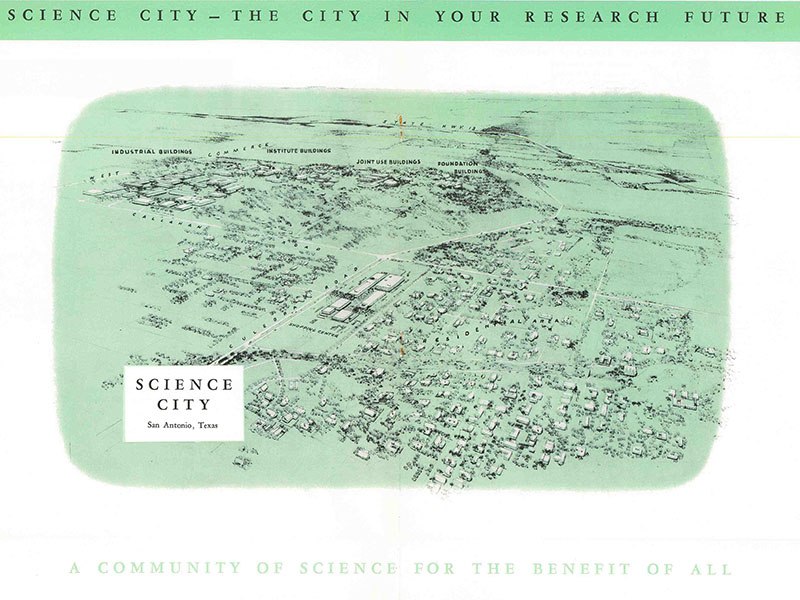
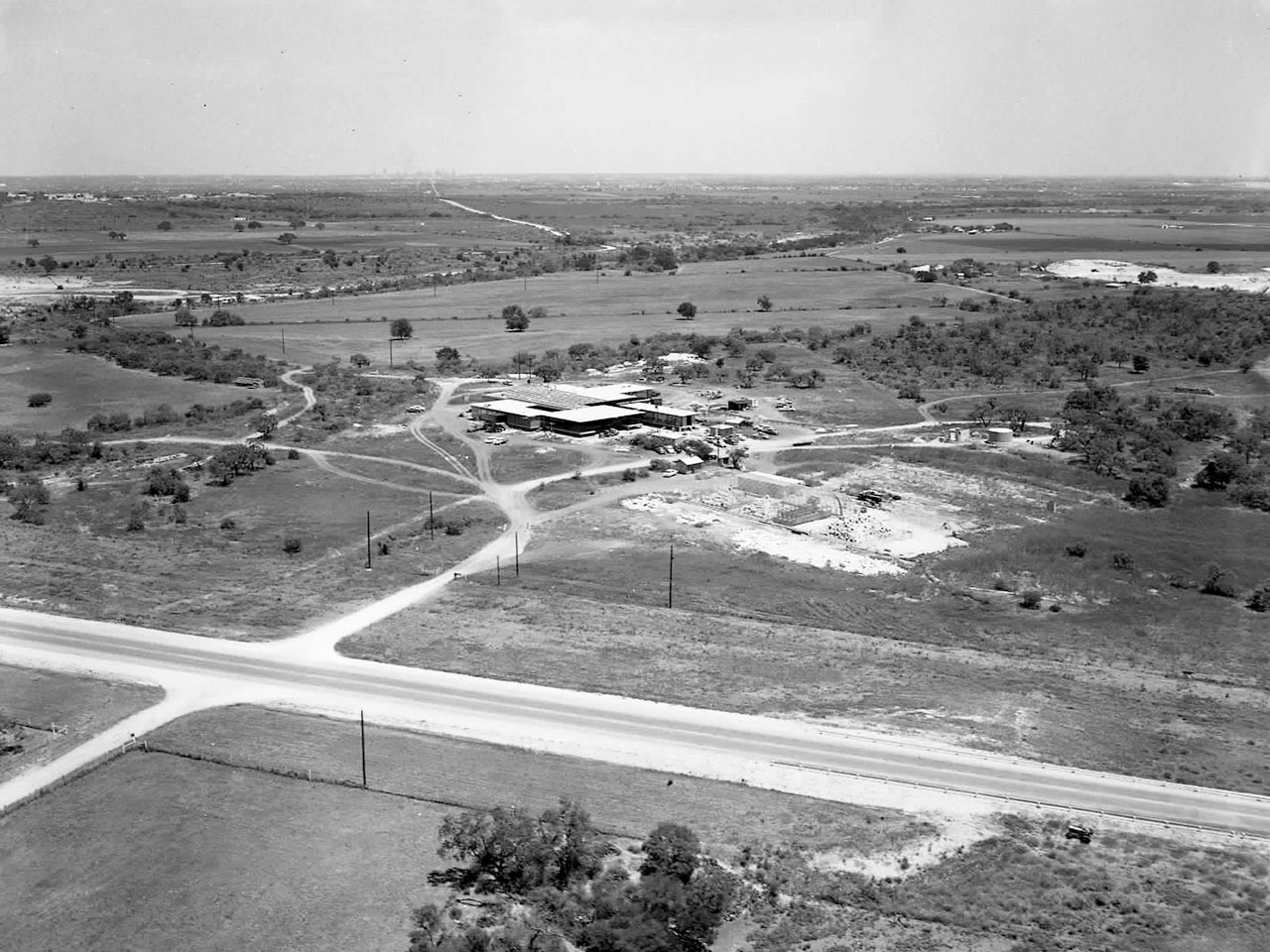
Photo of original Campus
Photo of original science city vision
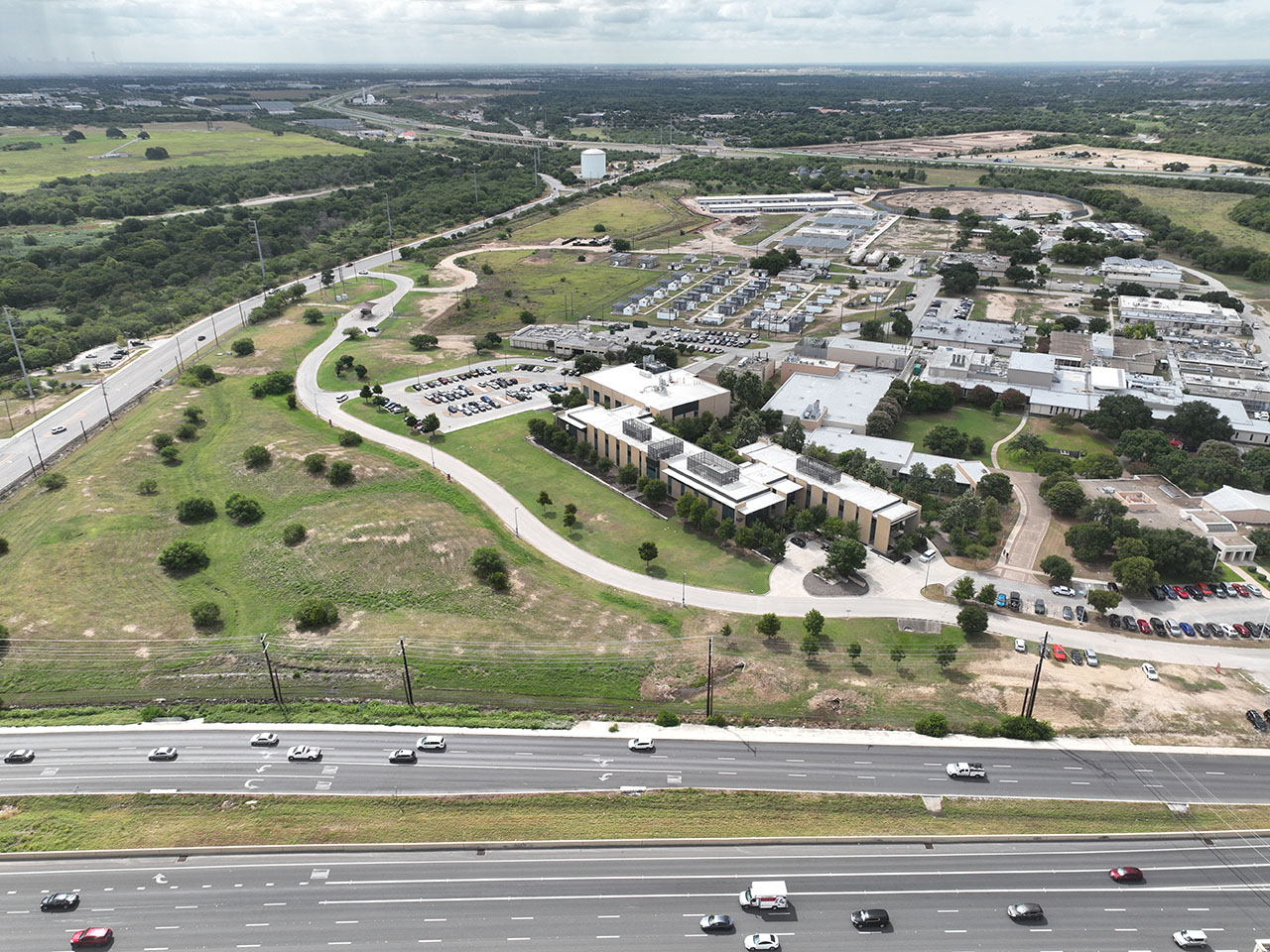
Photo of current Campus

Tom Slick, Jr. envisioned a Science City growing up on some 1,500 acres of ranchland 8 miles west of downtown San Antonio. Today, Texas Biomed sits on about 200 acres very much within the City of San Antonio. Our campus now features modern labs and facilities supporting nearly 500 employees.


Texas Biomed through the Decades

From its founding to current day, see how Texas Biomed has evolved and contributed to human health.

A brief timeline
Image of Tom Slick and Mahesh Mohan
Tom Slick Jr. founded Texas Biomed in 1941. Today, researchers, including Professor Mahesh Mohan, are pioneering new ways to prevent and treat infectious disease.

Education: A founding principle

Education has been a part of our mission from the beginning and is stronger than ever today. Texas Biomed is proud to support STEM education in our community and offers programs to inspire and train students of all ages, from kindergarten through PhD.

Developing side by side with our community

Since earliest days of our Institute, philanthropy has been an vital part of enabling world-class scientific research. Not many organizations can say they have been around for 85 years, which is in large part thanks to our community of supporters. Now more than ever, we rely on your generosity and desire to partner with us to make the world healthier for families here and around the globe.

Give Now