Spatial Biology Unit
Spatial biology reveals not only which molecules are present, but where they are located within tissues and how they interact with neighboring cells. By combining high-plex molecular profiling with high-resolution imaging, Texas Biomed’s Spatial Biology Unit helps researchers uncover cellular relationships, disease mechanisms and therapeutic targets that traditional approaches can miss.
From infectious disease and immunology to cancer, neuroscience and aging research, Texas Biomed helps investigators transform tissue samples into actionable biological insights.
Why Spatial Biology?
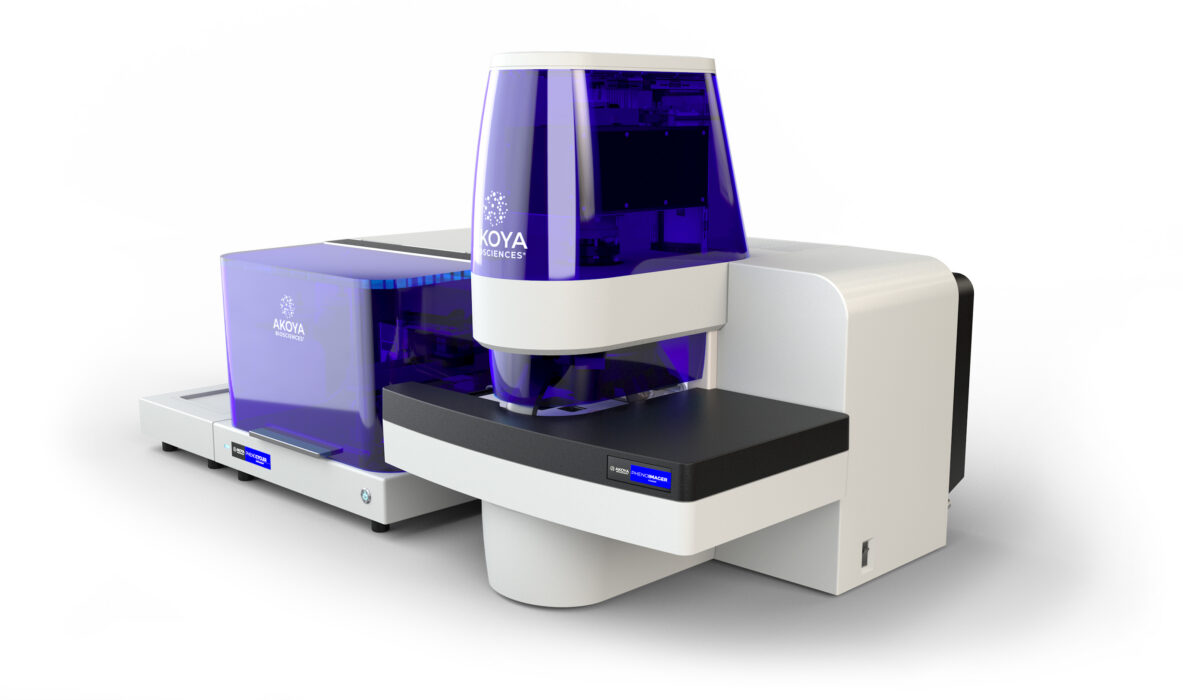
Spatial biology allows researchers to visualize the organization of tissues at unprecedented resolution. With Texas Biomed’s PhenoCycler instrument, researchers can:
- Map immune responses within infected tissues
- Characterize tumor microenvironments and cell-cell interactions
- Identify rare cell populations and their functions
- Track molecular changes during disease progression
- Discover biomarkers and therapeutic targets with spatial context
“The PhenoCycler has dramatically expanded our ability to generate insights from a single tissue sample. Its high-plex, spatially resolved data helps us uncover biological relationships that would be impossible to detect with traditional approaches.”
Annu Devi, Ph.D.
Why Texas Biomed?
A Unique Resource for Translational Research
Texas Biomed offers a unique resource for state-of-the-art spatial imaging and molecular profiling platforms. Partner with us for expertise in complex tissue studies, collaborative scientists who help maximize data quality and biological interpretation and access to one of the region’s most advanced biomedical research environments.
Increased Research Capability
Enables high-resolution, high-throughput tissue imaging across key research areas:
- Infectious disease & immunology (incl. TB/NHP models)
- Oncology & tumor microenvironments
- Neuroscience & neurological disorders
- Aging, metabolic, cardiovascular & developmental biology
Core Services
Our team provides comprehensive support throughout the research lifecycle, including:
- Experimental design consultation
- Sample preparation and processing
- Antibody panel development and optimization
- Instrument operation and image acquisition
- Advanced image analysis and data interpretation
- Training workshops and one-on-one investigator support
Applications
Applications for spatial biology include:
- Infectious disease and immunology
- Cancer biology
- Neuroscience
- Aging and metabolic disease
- Cardiovascular disease
Our People
Leadership Team
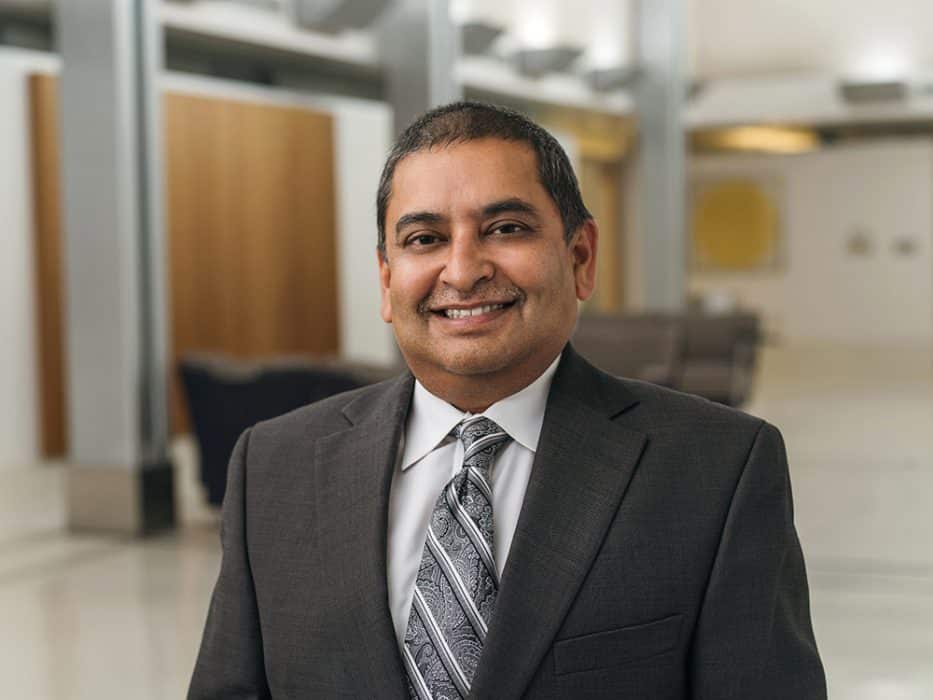
Dr. Deepak Kaushal

Dr. Annu Devi
Collaboration Team

Dr. Soumyajit Dutta (Microscopy Unit)

Dr. Letti Lopez (Molecular Unit)

Dr. Vinay Shivanna (Pathology)
Contact Us
Core Manager: Dr. Annu Devi
Spatial Biology Core Unit | Texas Biomedical Research Institute