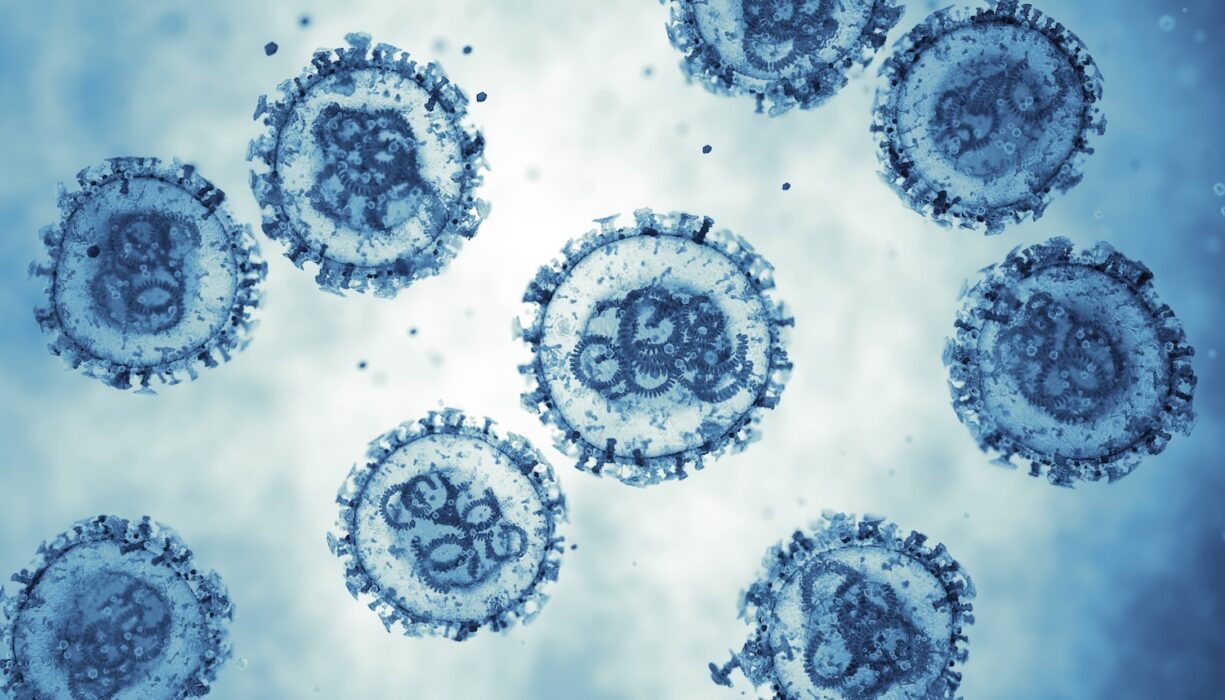
Hantavirus – which is carried naturally by rodents and can cause severe disease in humans – made headlines around the world following an outbreak aboard the cruise ship MV Hondius in April 2026. Rare and unpredictable, the Andes strain is one of the few hantaviruses capable of limited person-to-person transmission, making it especially concerning to epidemiologists. Texas Biomed Professor Emeritus Jean Patterson, Ph.D., explains why ongoing research matters even when outbreaks are rare.
Q: What makes the Andes strain of the hantavirus so dangerous?
A: While hantavirus is not considered highly contagious, it can be deadly. According to the Centers for Disease Control and Prevention, 38% of people who develop respiratory symptoms die from the disease. The Andes strain is considered a high-consequence virus, meaning that when you get it, it can be very severe. You may go years without seeing many cases, and then suddenly there’s an outbreak. That unpredictability creates major challenges for developing vaccines and treatments. Pharmaceutical companies are often reluctant to invest heavily in viruses that may never cause widespread outbreaks, and vaccine trials become difficult when scientists cannot predict where or when the next outbreak will occur.
Q: With vaccine development hampered by sporadic outbreaks and geographic spread, what is the solution for managing outbreaks of the virus?
A: Unlike vaccines, antivirals can be more easily deployed during an outbreak as soon as the pathogen is identified. Fortunately, hantaviruses have a long incubation period, which gives antivirals a much better chance to make a meaningful difference than with pathogens that rapidly progress to severe disease. However, it is critical to have antiviral candidates ready to deploy during outbreaks. Recent funding cuts have disrupted research efforts, and this outbreak underscores the importance of sustained federal investment in infectious disease research and development.
Q: Is this situation comparable to COVID-19?
A: Not in the same way. COVID-19 surprised scientists because of its combination of asymptomatic spread, extremely high transmissibility and serious disease. Hantaviruses behave very differently – hantaviruses remain largely tied to rodent reservoirs and specific geographic regions, and transmission patterns are more limited and easier to trace, so public health measures such as contact tracing can be highly effective. Importantly, this Andes strain is not trying to move everywhere right now. That’s very different from what we saw with COVID.
Q: What roles do climate change and global travel play?
A: Emerging infectious diseases are shaped by both environmental change and human mobility. Climate change can expand habitats for rodents and mosquitoes, while global travel allows viruses to move rapidly between regions. The Zika outbreak in Brazil is an example of how climate conditions, dense mosquito populations and international travel combined to create the perfect conditions for spread. Zika was also unusual because researchers discovered it could cause severe fetal developmental complications, which had not been observed in previous outbreaks.
Q: Many outbreaks occur in locations that don’t have access to refrigeration or cold chain storage. Are antivirals a good solution in these cases?
A: Small-molecule antivirals are readily transported and usually more easily administered than most vaccine platforms. In general, providing treatment in remote and resource poor areas lend themselves better to antivirals.
Q: What are the biggest unanswered scientific questions about hantavirus right now? Do we know enough?
A: There are about 40 officially recognized species of hantaviruses categorized into two main groups based on where they are found and the illnesses they cause in humans. We have made huge strides in understanding the molecular structures and knowing at the molecular level what the targets look like and how to design a drug against it. We are in a position now to be able to stop these sporadic, high-consequence viruses as long as we continue to support critical research into pathogens and continue to fund surveillance.
Q: Should the public be concerned?
A: Concern is always understandable, but there is no need to panic. Researchers already know a great deal about hantaviruses, how they spread and what kinds of countermeasures may work against them. Public health surveillance and basic precautions around rodent exposure remain important tools. In this particular outbreak, there are no major scientific surprises so far. For now, scientists continue monitoring cases while researchers around the world build on decades of virology research aimed at preparing for whatever pathogen emerges next.