Texas Biomed hosts intensive week of hands-on training to deepen participants’ understanding of the field
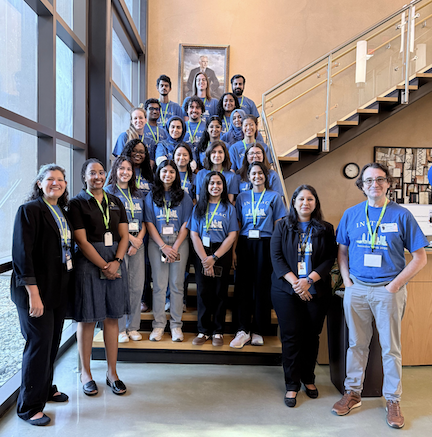
SAN ANTONIO, Texas (September 8, 2026) – Texas Biomed welcomed 20 emerging researchers from across the country in August for intensive, hands-on training in tuberculosis (TB) research as part of the Institute’s federally funded Interdisciplinary NexGen TB Research Advancement Center (IN-TRAC).
Researchers spent five days in immersive training designed to introduce them to the techniques, approaches and opportunities shaping modern TB research. Participants attended seminars, hands-on labs and a campus tour, learning from instructors across Texas Biomed’s TB research community.
“I am thrilled to welcome these researchers to our campus as they dedicate their time and talents to advancing our understanding of tuberculosis,” said Larry Schlesinger, MD, President and CEO of Texas Biomed and Principal Investigator of IN-TRAC. “Our mission is to cultivate the next generation of diverse TB researchers, equipping them with multidisciplinary skills and real-world clinical experience to become independent leaders in the field.”
TB remains a persistent global health crisis, causing more than one million deaths and 10.7 million new infections each year. The disease is preventable and curable, and according to the World Health Organization, global efforts to combat TB have saved more than 80 million lives since 2000.
Despite this progress, there is an urgent need for tools, treatments and a new generation of scientists equipped to take on the disease. Programs like IN-TRAC aim to close that gap by training researchers early in their careers to think across disciplines and tackle TB from multiple angles, from the lab bench to the clinic.
Bringing TB research to life
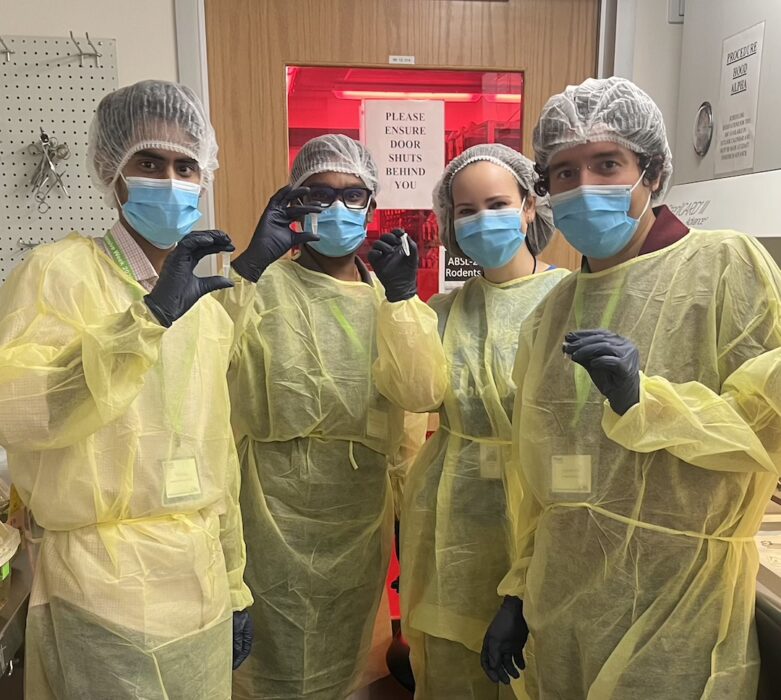
A defining element of the training week was the opportunity for participants to see how laboratory research connects to clinical care.
Blanca Restrepo, Ph.D., a Professor at the University of Texas Health Houston, School of Public Health in Brownsville, led participants in activities related to the Clinical Research and Patient Care Core at her lab in Edinburg, Texas.
“For new or even experienced researchers in TB, these experiences offer an important perspective: TB is not simply a pathogen or a laboratory problem. It is a complex disease that affects real people and communities,” said Dr. Restrepo. “That understanding can help researchers ask better questions and develop more relevant approaches to TB research.”
Researchers also visited the Texas Center for Infectious Disease, a specialized public health hospital run by the Texas Department of State Health Services that treats TB. Participants met with nurses and physicians and heard directly from patients receiving treatment for TB.
“There’s no substitute for hearing directly from a patient about what it’s like to live with tuberculosis and go through treatment,” said Lisa Armitige, MD, Ph.D., co-Medical Director at Heartland National TB Center. “For researchers early in their careers, this kind of exposure is invaluable and reminds them why the work in the lab matters so much.”
Together, these experiences reflect IN-TRAC’s core philosophy: that the most effective TB researchers are those who understand the disease not just at the bench, but at the bedside.
Building the future of TB research
By investing in scientists early in their careers, IN-TRAC is helping build the pipeline of expertise needed to advance the fight against tuberculosis for years to come.
What the researchers are saying
“I am grateful to have been part of the 2026 IN-TRAC Intensive Week at Texas Biomed in San Antonio last week. It was one of those experiences where I came back with much more than I expected. As an epidemiology student, most of my work revolves around data, research questions, and understanding patterns at the population level. This week gave me the opportunity to step into a different side of TB research and see what happens before that data ever reaches us.”
– Chaturya Raavi, MPH candidate in epidemiology
“The 2026 IN-TRAC Intensive Week was a wonderful opportunity to step beyond my usual work, with hands-on exposure to TB microscopy and flow cytometry, as well as my very first experience with basic mouse handling! I was especially impressed by the expertise, technology, teamwork, and tremendous effort behind infectious disease research, particularly on TB. Learning from inspiring instructors and exchanging ideas with fellows from different backgrounds made the experience even more special.”
– Fatima Makkia, Ph.D. candidate in epidemiology
“I greatly appreciate Dr. Blanca Restrepo for dedicating so much time and energy into this training program and for warmly welcoming us into her lab. She works at the border of Texas and Mexico and takes care of TB patients in this area. Seeing the wonderful atmosphere in her lab was truly inspiring and encouraging to me.”
– Zaynab Mousavian, Postdoctoral Researcher, Emory University
“The highlight of my trip was meeting the team and patients at the Texas Center for Infectious Diseases, the last remaining free-standing TB hospital in the United States. I learned about the interdisciplinary approach the organization takes to caring for its patients and heard firsthand from patients about how their lives have been affected by a TB diagnosis. I also had the honor of meeting with Dr. Lisa Armitige, who I had heard so many wonderful things about. It was incredibly meaningful to meet with her and learn from her as part of this experience.”
– Karen Almendariz, Program Liaison at CDPH.
“I’m returning to clinical practice with new knowledge, new perspectives and an even greater appreciation for the connection between bench research and bedside care. More importantly, this experience has strengthened my desire to pursue opportunities in research and contribute to the scientific work that advances patient care. I’m also leaving with a renewed commitment to doing my part, as a pharmacist and clinician, toward our shared goal of ending TB.”
– Dominique Brewster, Clinical Pharmacy Specialist.