Program Leads/Co-Leads
Binhua “Julie” Ling, M.D., M.Med.Sc., Ph.D.
Professor, Program Lead – Host Pathogen Interactions
Mahesh Mohan, D.V.M., M.S., Ph.D.
Professor, Program Lead – Disease Intervention & Prevention
Research Faculty
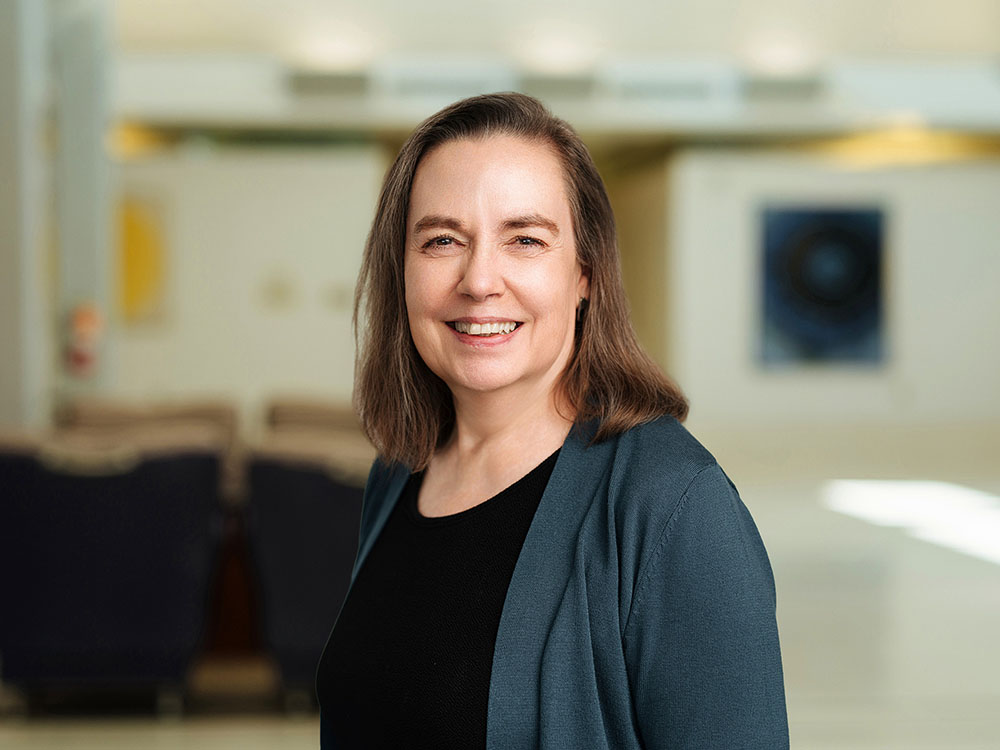


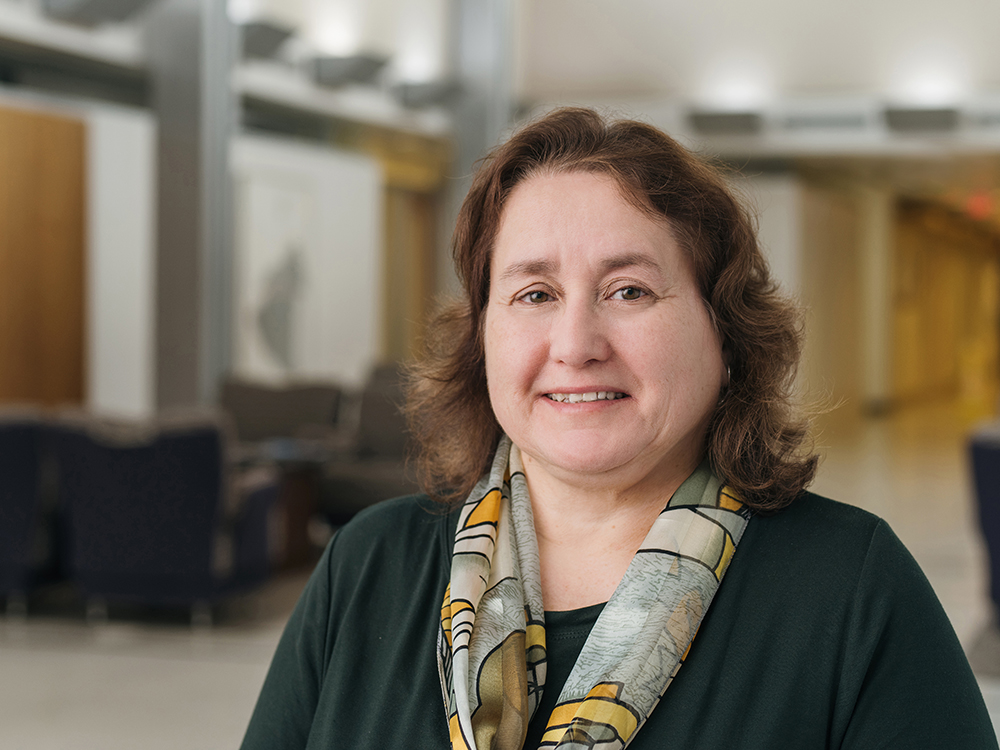


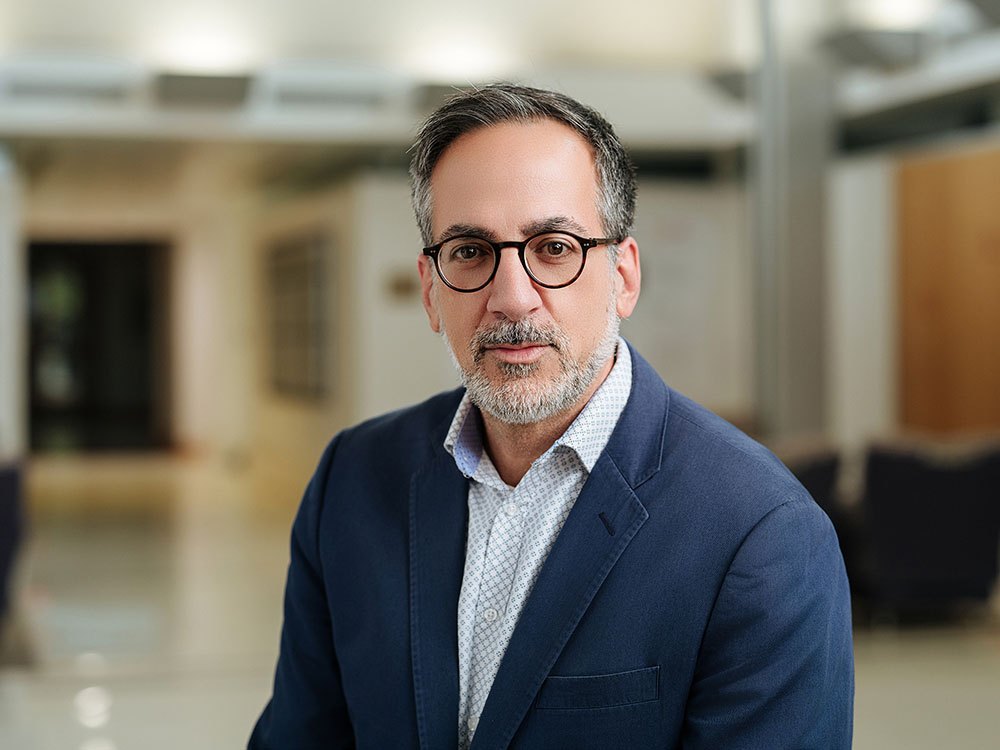




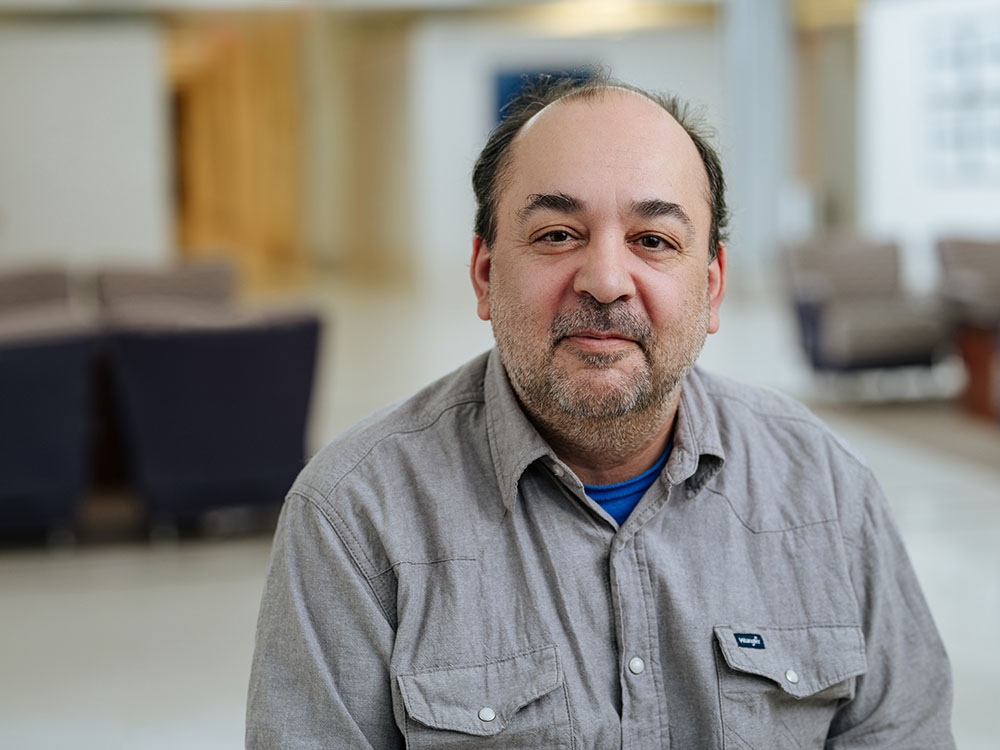


Veterinarians/Vet Path Faculty





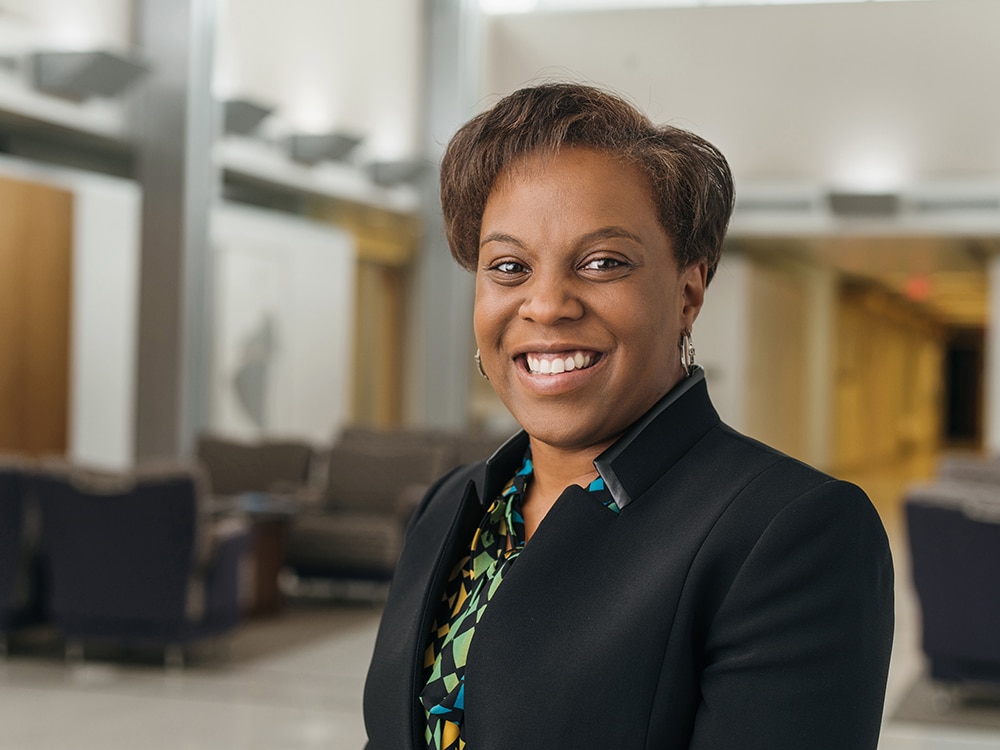


Kathryn Shelton, D.V.M., Ph.D., DACLAM
Associate Professor | Associate Director for Veterinary Resources | Attending Veterinarian
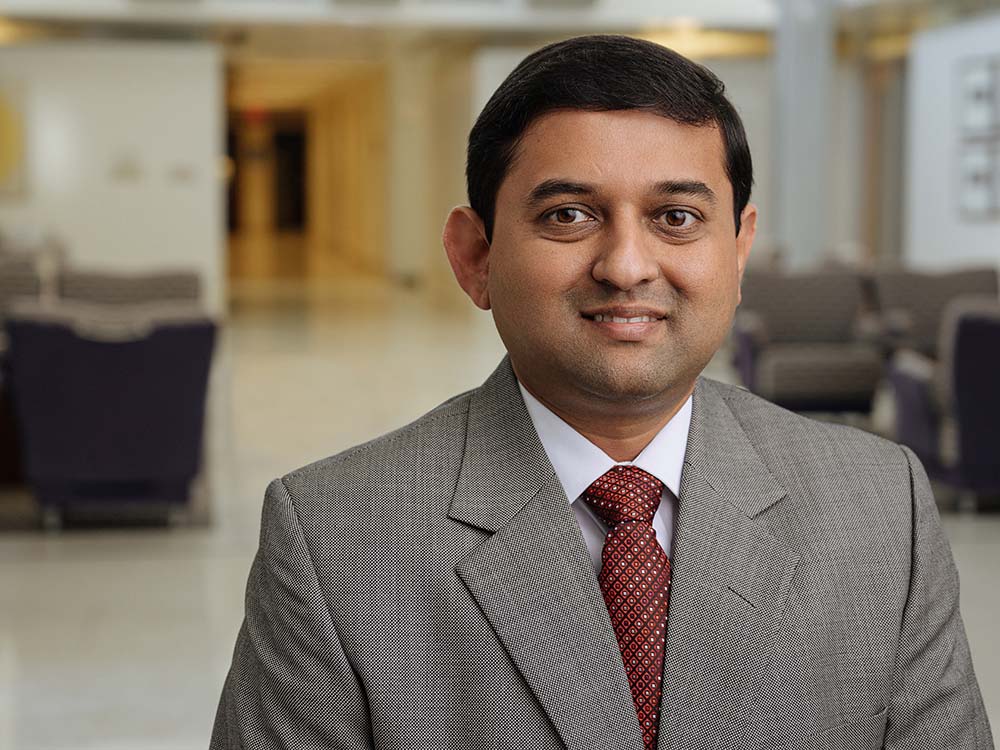


Staff Scientists

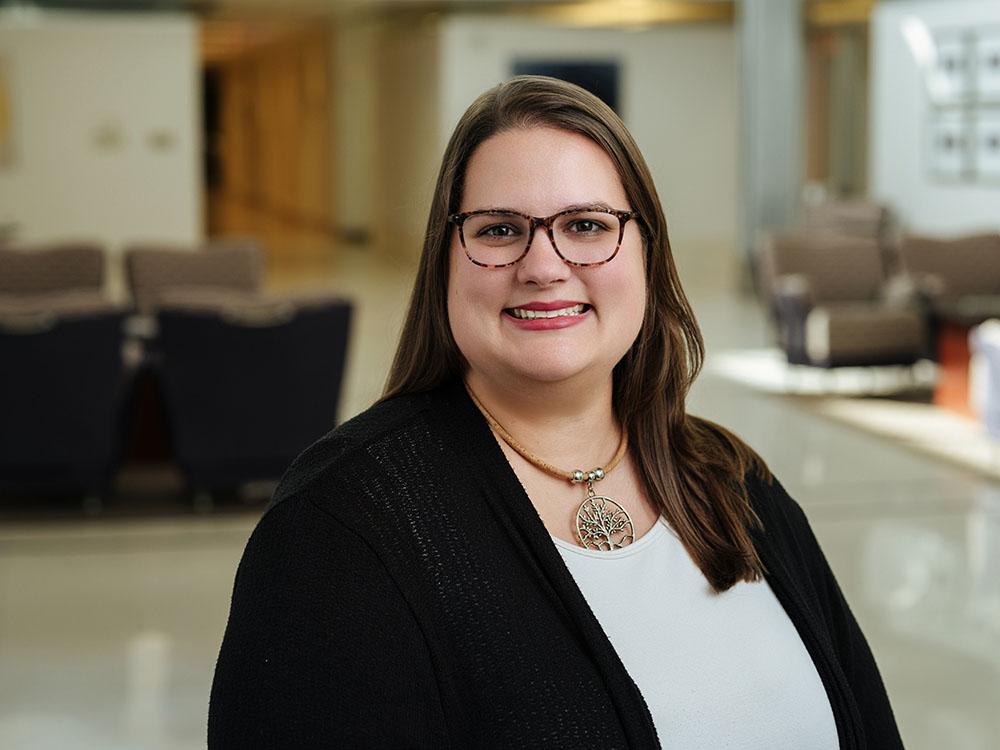
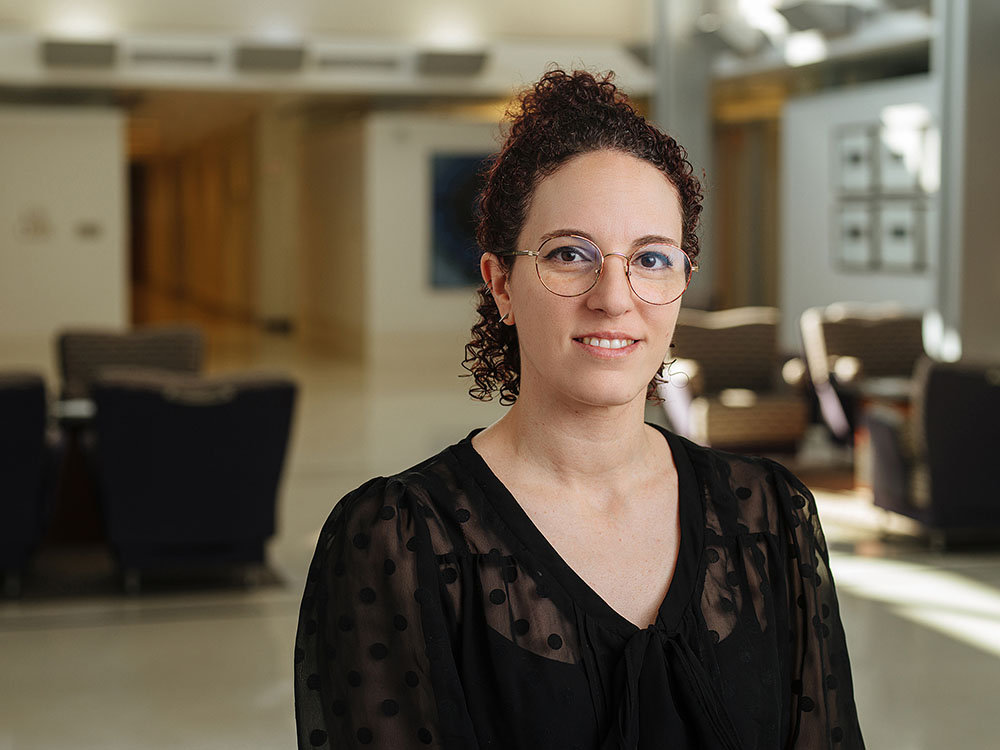


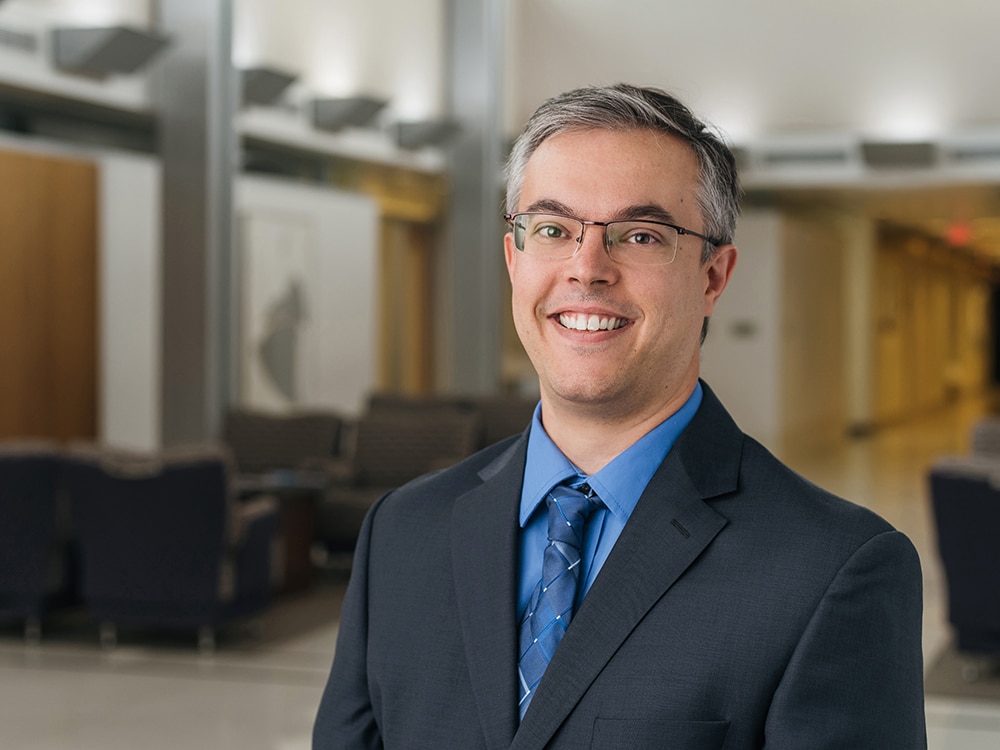
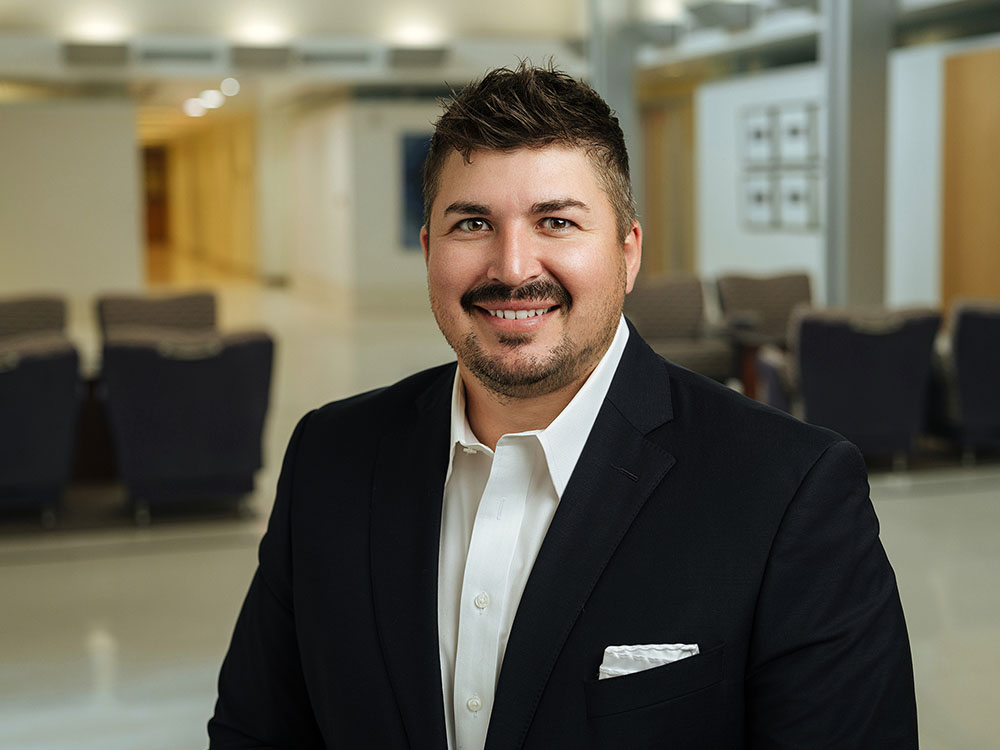


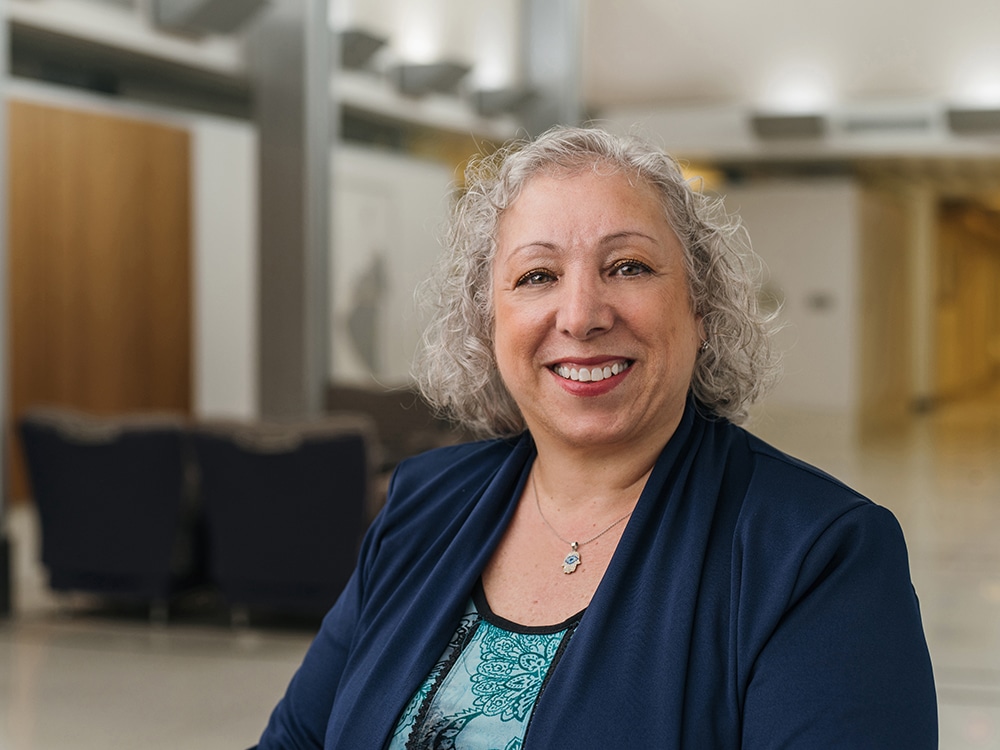


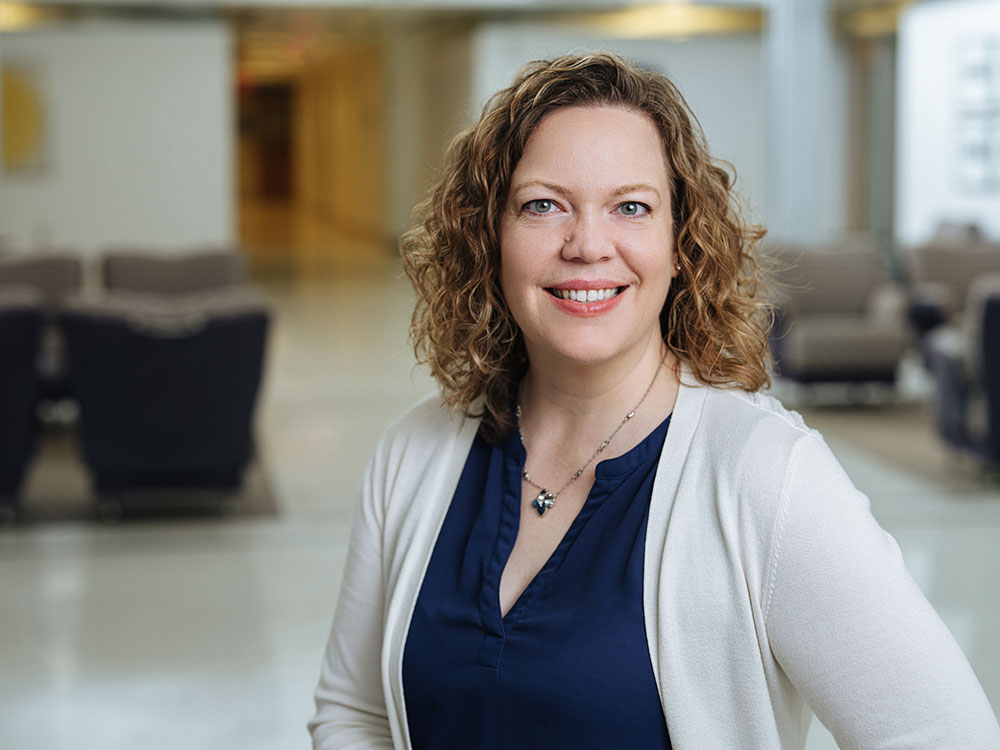
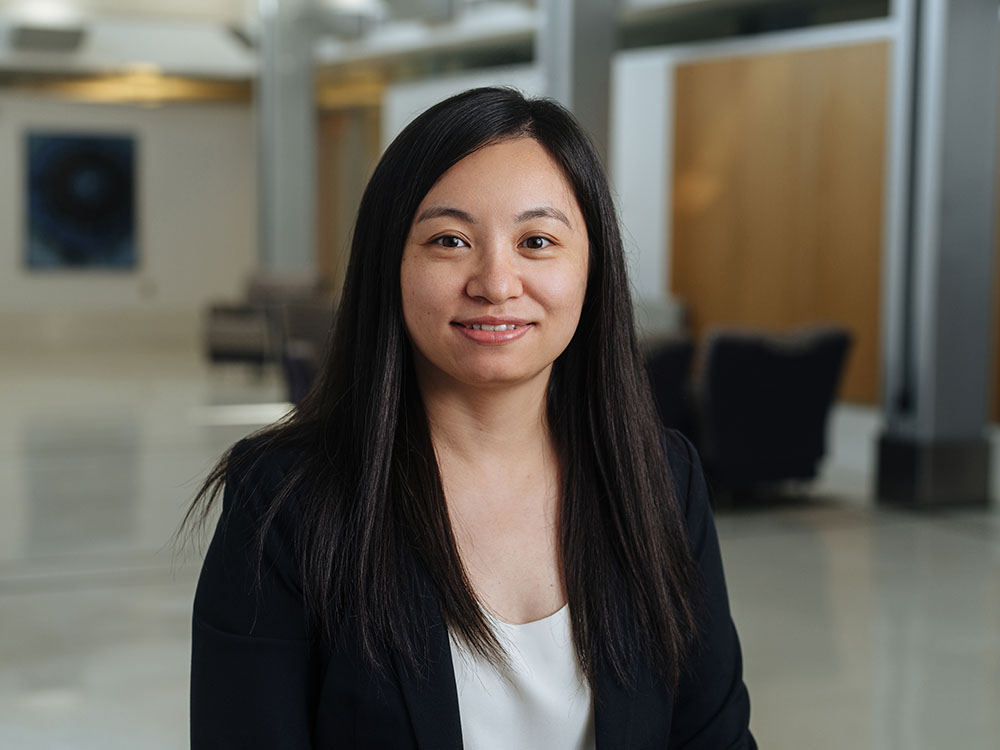



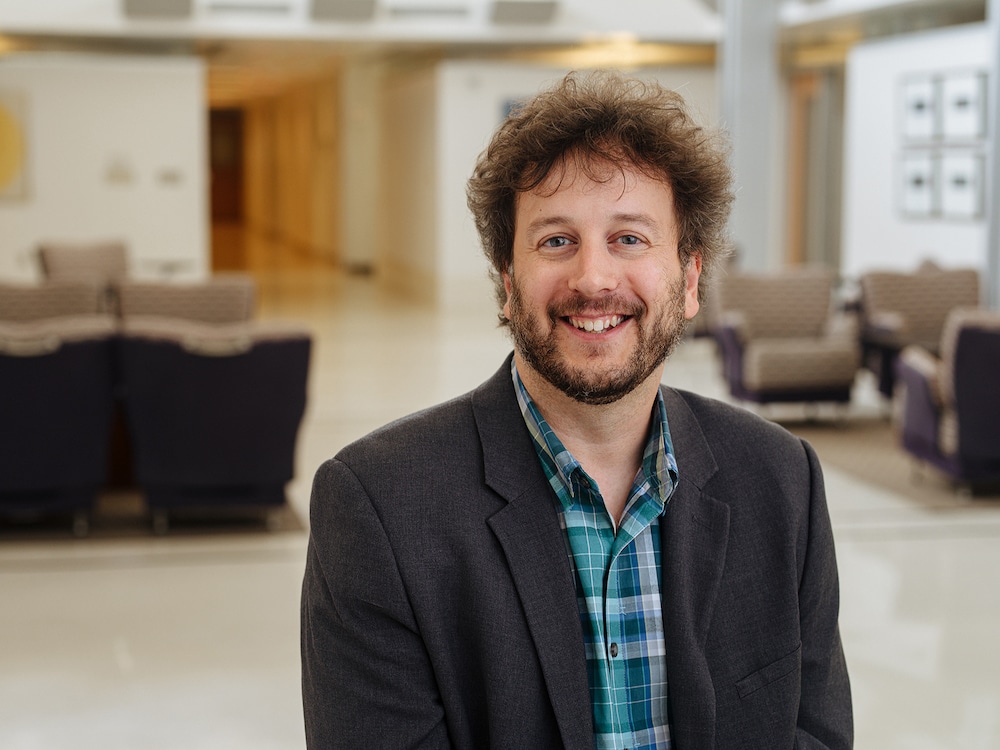

Angélica M. Olmo-Fontánez, Ph.D.
Staff Scientist I | SNPRC Assistant Director for Research Resources






Adjunct Faculty
Abul K. Azad, Ph.D.
Scientific Education Program Advisor (IN-TRAC)
Jason E. Bowling, M.D.
Adjunct Associate Professor
Luis Giavedoni, Ph.D.
Adjunct Professor
Karl E. Klose, Ph.D.
Adjunct Professor
Diego J Maselli, M.D.
Adjunct Associate Professor
Jay Peters, M.D.
Adjunct Professor
Kimberley Phillips, Ph.D.
Adjunct Professor
Adam B. Salmon, PhD
Adjunct Professor
Diana G. Scorpio DVM, MPH, DACLAM
Adjunct Professor
Charles A. Szabo, M.D.
Adjunct Professor
Joanne Turner, Ph.D.
Adjunct Professor
Yufeng Wang, Ph.D.
Adjunct Professor
Jiang Zhu, Ph.D.
Adjunct Associate Professor
Emeritus Faculty
Robert Lanford, Ph.D.
Professor- Emeritus
Jean Patterson, Ph.D.
Professor, Chair of BSL-4 Task Force